Architectural cladding is one of the most effective ways to transform the look and performance of a Melbourne home. Whether you are renovating a period property, extending, or building new, the cladding you choose affects appearance, weather protection, maintenance, and long-term cost. This guide covers the main options, what drives the price, and how to choose the right material for your home.
What Is Architectural Cladding?
Architectural cladding is the external skin applied to the walls of a building. It serves two purposes at once: it protects the structure underneath from weather, and it defines how the home looks from the street. Unlike a simple render or paint finish, architectural cladding is a distinct material layer, chosen for both its performance and its visual character.
On Melbourne homes, cladding is used across a wide range of applications, from full facade treatments on new builds to feature walls on extensions and renovations that lift the appearance of an otherwise plain elevation.
The Main Cladding Options for Melbourne Homes
There are three materials that dominate residential cladding in Melbourne. Each suits a different priority, whether that is low maintenance, natural aesthetics, or budget.
Metal Cladding (Colorbond and Similar)
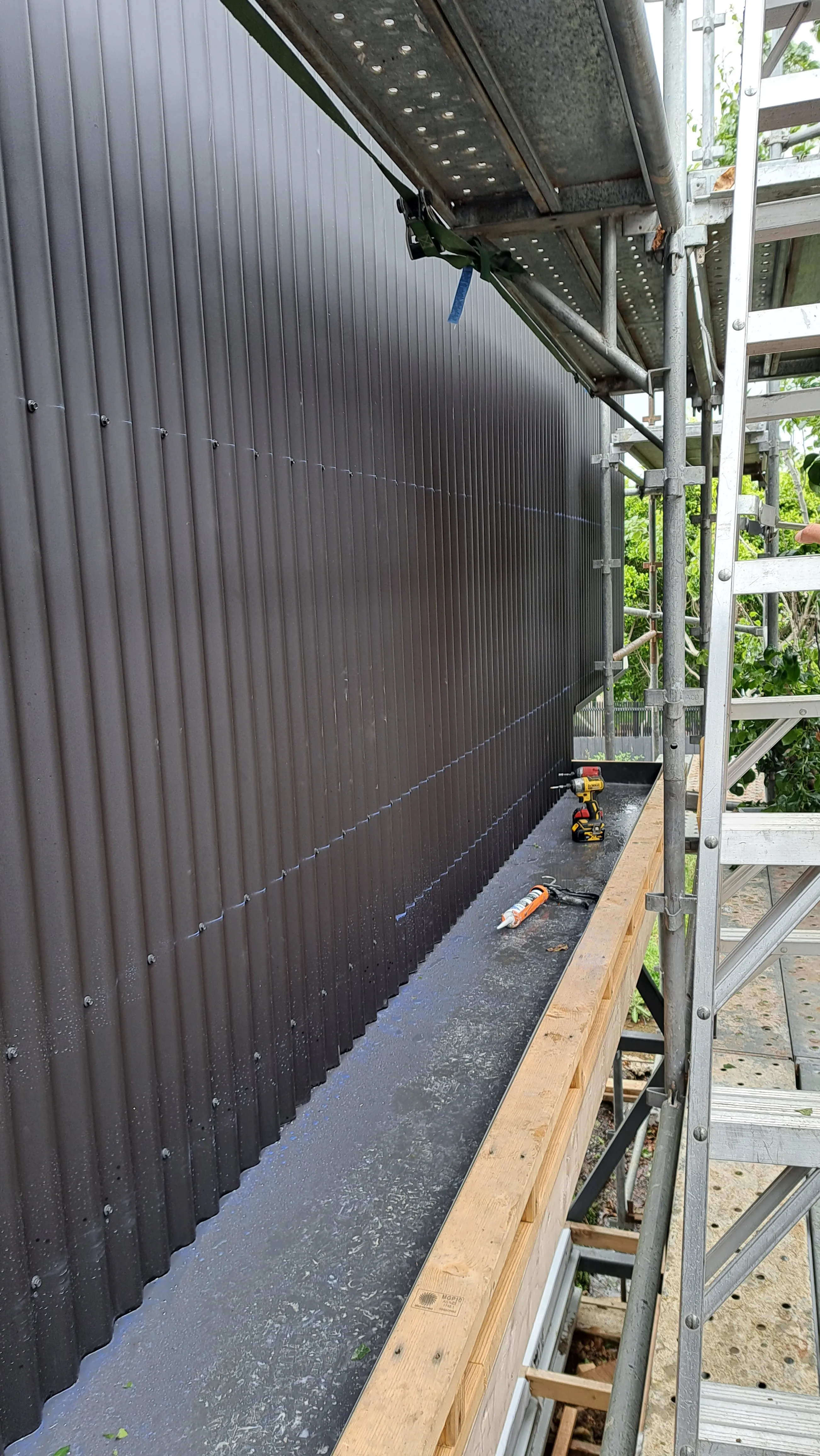
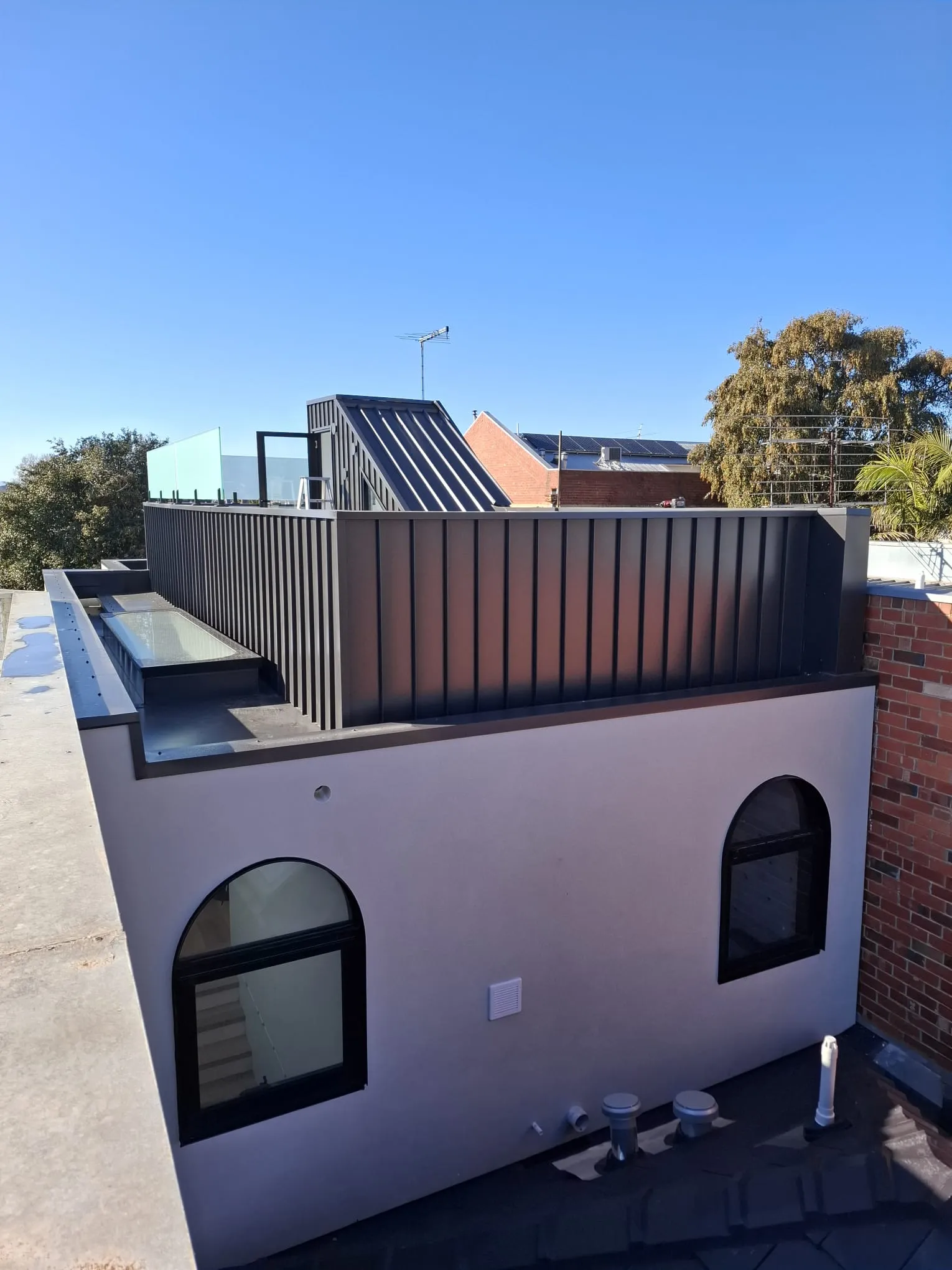
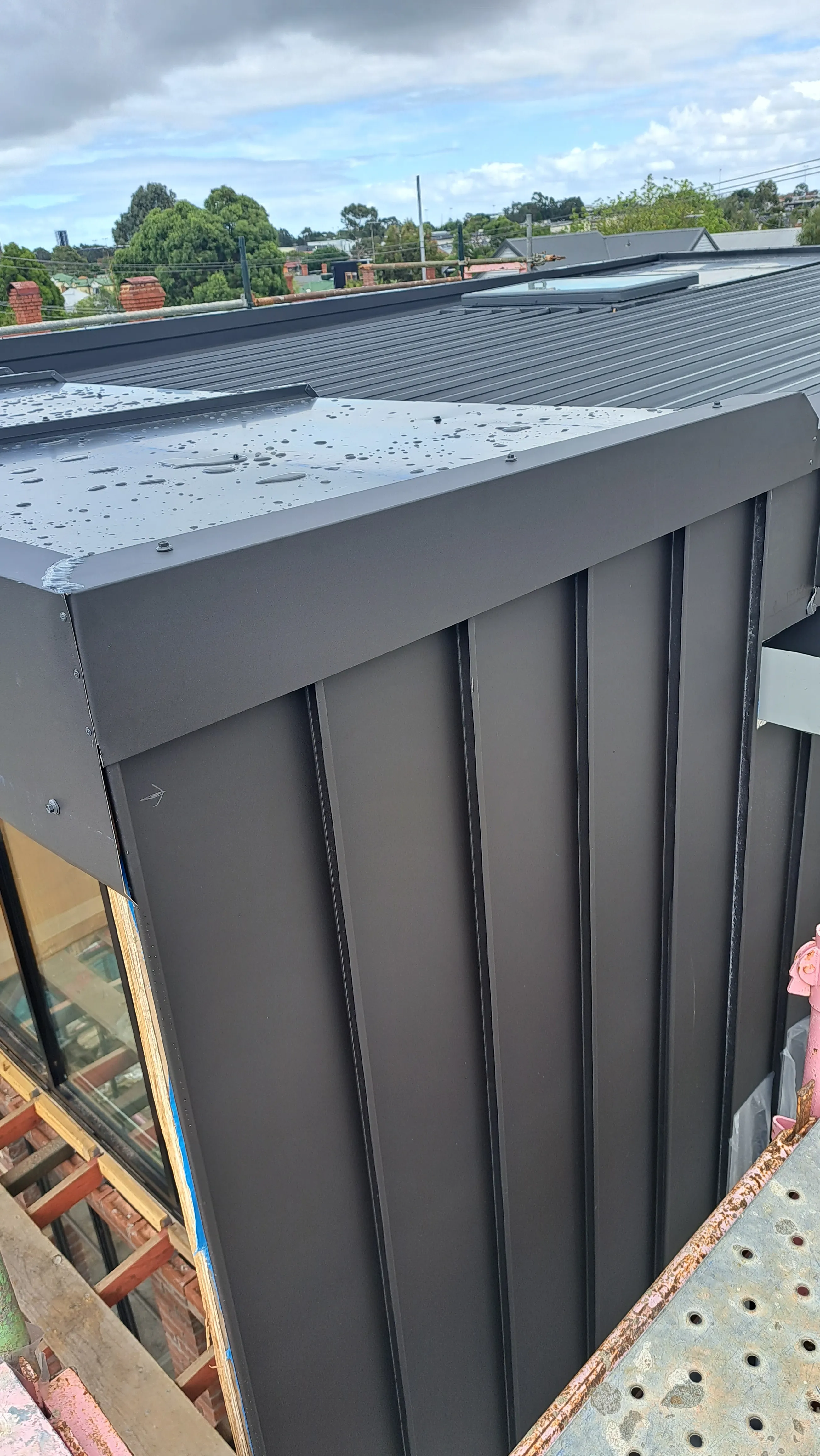
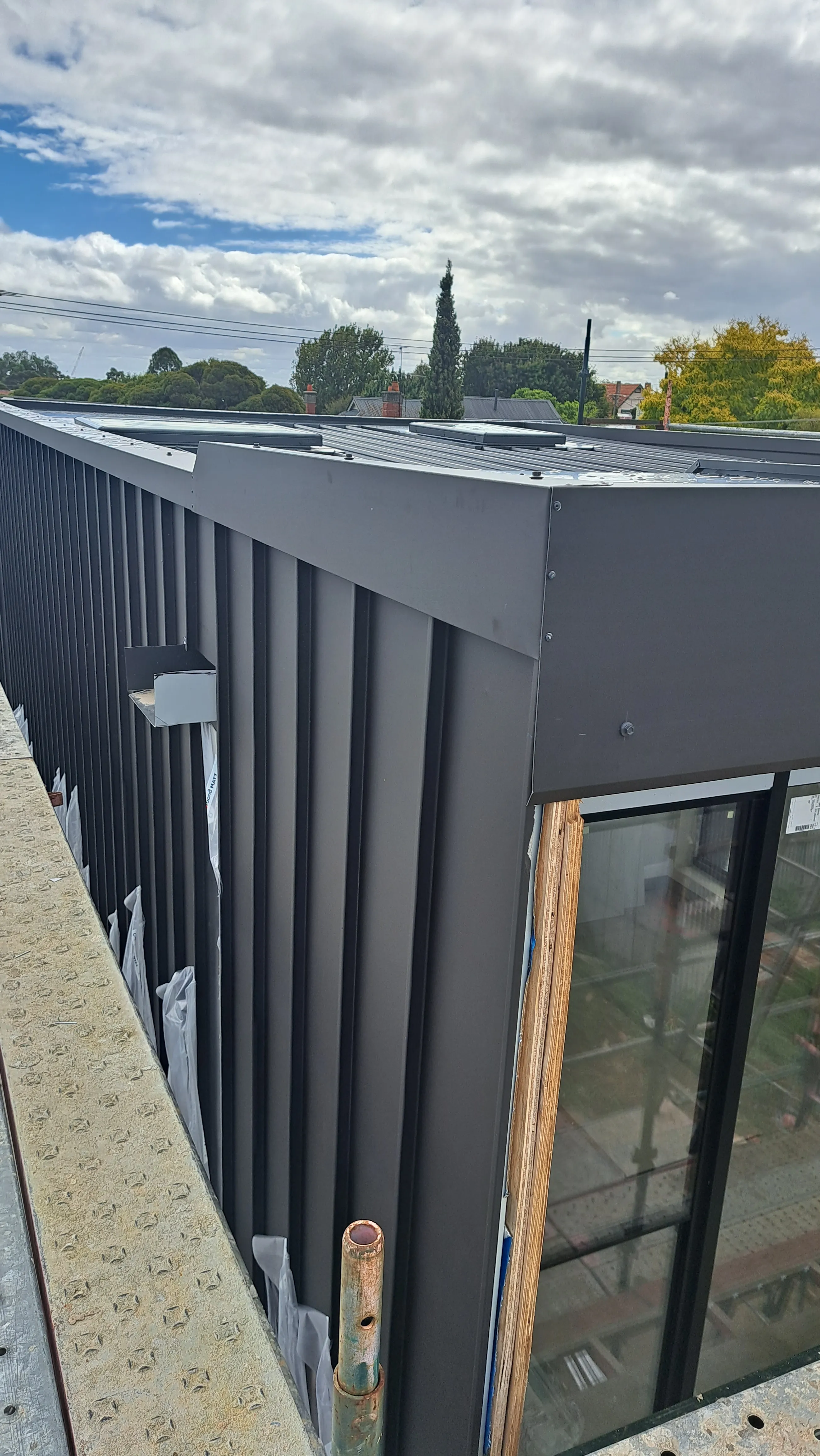
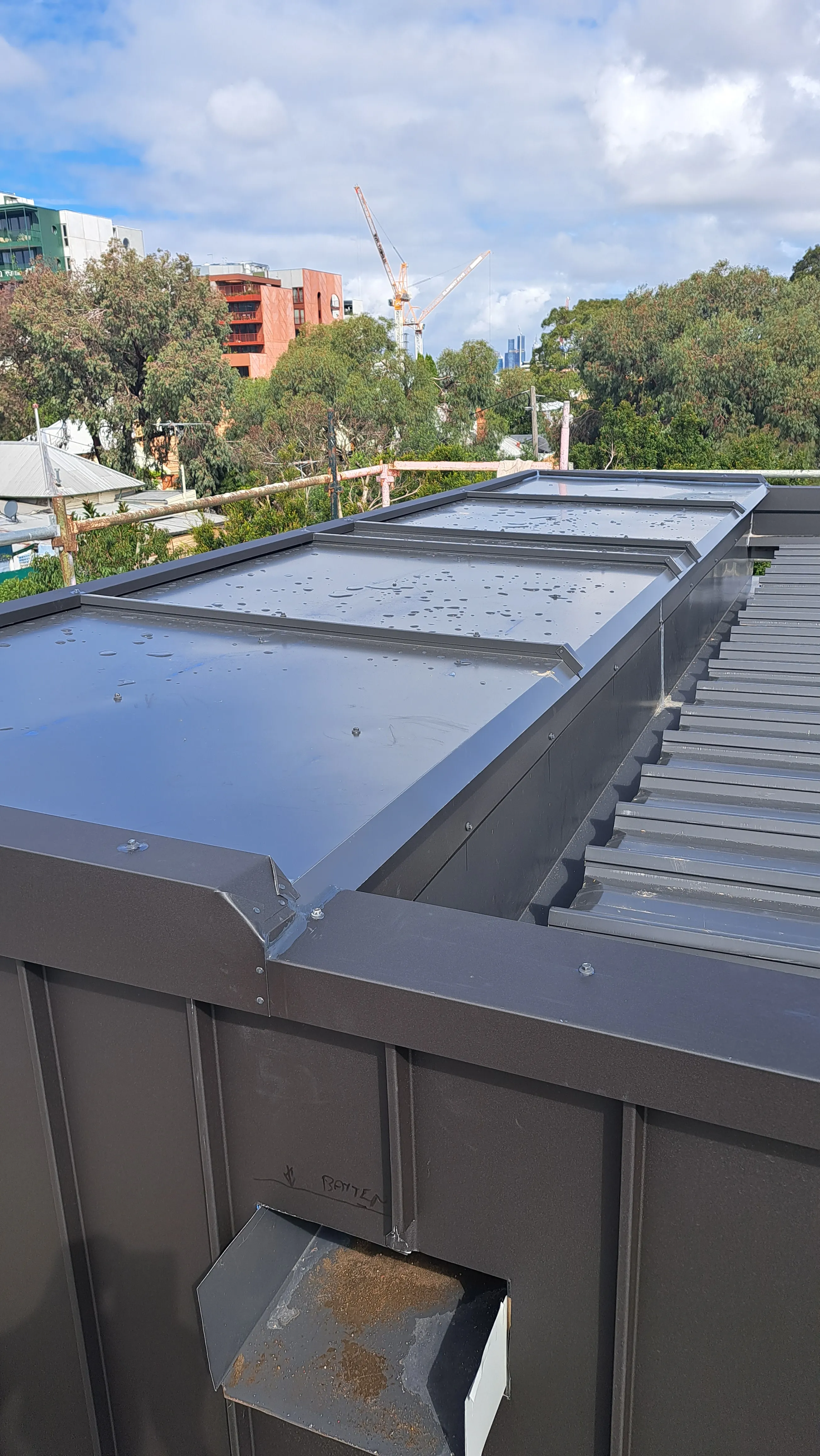
Metal cladding, most commonly Colorbond steel, has become the default choice on contemporary Melbourne homes and extensions. It is available in a wide range of profiles, from corrugated to flat-panel, and a full palette of colours.
The main advantages are durability and low maintenance. Colorbond has a factory-applied finish that does not need painting, resists Melbourne's variable weather well, and carries a long manufacturer warranty. It is also lightweight, which matters on upper-storey additions or older structures. The main consideration is that it can read as industrial on period homes if the profile and colour are not chosen carefully.
Timber and Timber-Look Cladding
Timber cladding delivers a warm, natural aesthetic that suits both contemporary and heritage-adjacent homes. Natural hardwood is the premium option, while composite timber-look products offer a similar appearance with less maintenance.
The trade-off with natural timber is upkeep. In Melbourne's climate, natural timber needs regular oiling or painting to prevent warping, cracking and rot, typically every three to five years. Composite products remove most of that maintenance burden but sit at a higher upfront cost. Natural timber is also restricted in bushfire-prone areas, so it is worth checking your BAL rating before committing.
Composite and Fibre Cement Cladding
Composite and fibre cement products have grown in popularity for their balance of appearance and practicality. They can mimic timber or present a clean, modern finish, and they hold up well against fire, moisture and Melbourne's temperature swings. They sit between metal and natural timber on both cost and maintenance.
Steel vs Timber Cladding: Which Is Right for Your Home?
This is the comparison most Melbourne homeowners weigh up, so it is worth addressing directly.
Choose steel cladding if your priority is a low-maintenance, contemporary finish that will look the same in fifteen years as the day it went up. It suits modern homes, extensions, and anyone who does not want ongoing upkeep.
Choose timber cladding if the natural, warm aesthetic is the priority and you accept the maintenance that comes with it, or if you opt for a composite timber-look product to get the appearance without the upkeep.
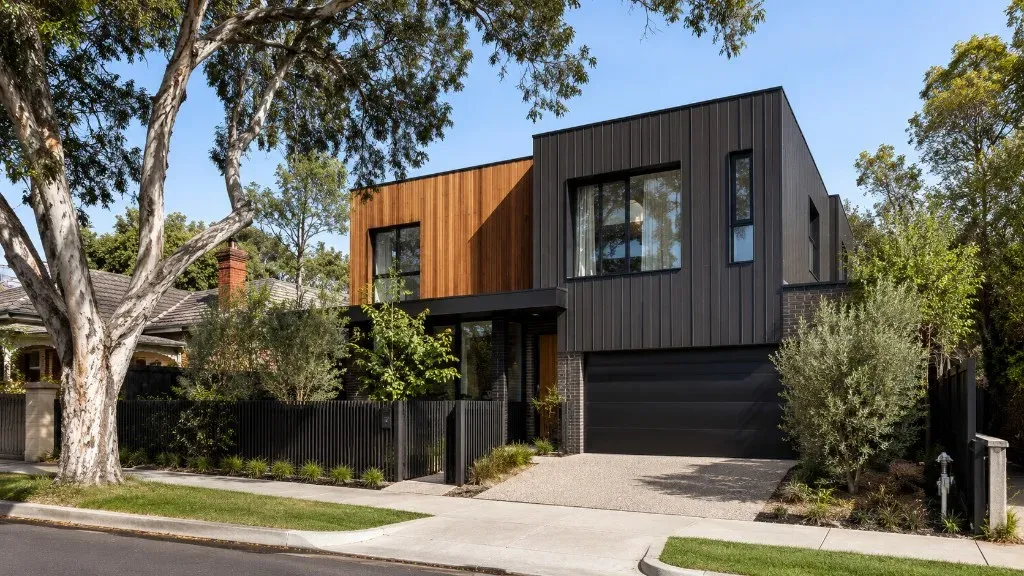
For many Melbourne renovations, the best result comes from combining the two: metal across the bulk of the facade for durability, with a timber or timber-look feature section to add warmth. This is an increasingly common approach on inner-suburban extensions.
What Drives the Cost of Cladding?
Cladding cost varies significantly from job to job, so any single figure is misleading. What matters is understanding the factors that move the price:
- Material choice is the biggest driver. As a rough guide, metal cladding typically sits at the more affordable end, composite and fibre cement in the middle, and natural timber at the premium end.
- Wall area is the next factor. Cladding is priced largely by the square metre, so the size of the elevation being clad has a direct effect.
- Preparation and substrate matter too. If the existing wall needs repair, or if battens and a weather barrier need to be installed before cladding goes on, that adds to the job.
- Access affects cost as well. A single-storey facade is straightforward, while upper-storey work requiring scaffolding adds time and expense.
The most reliable way to understand cost is an itemised quote that separates materials, preparation, and installation, so you can compare options properly.
Choosing the Right Cladding for Your Melbourne Home
The right choice depends on your home's architecture, your tolerance for maintenance, and your budget. For a contemporary home or extension where low maintenance is the priority, metal cladding is usually the strongest choice. For a home where a natural, high-end aesthetic matters most, timber or composite timber-look cladding delivers. And for many renovations, a combination gives the best of both.
Whatever direction you lean, the quality of the installation matters as much as the material. Poorly installed cladding, regardless of how good the product is, leads to water ingress, movement, and premature failure. Correct battening, weather barriers, and flashing detailing are what make cladding perform over decades.
Talk to Melbourne's Cladding Specialists
Cascone Roofing installs architectural cladding across Melbourne's northern suburbs. Family owned and operated, BPC certified, and based in Thornbury, we have over 40 years of experience helping Melbourne homeowners choose and install cladding that performs and lasts. Every job is completed by our own team. We do not subcontract.
If you are considering cladding for a renovation, extension, or new build, call 0407 729 522 for honest advice and a written quote.